PVC elbows
Redirect pipe runs around corners.
Please Wait For Loading
Learn about PVC pipe fittings, common types, applications, connection methods and selection factors for plumbing, drainage and irrigation systems.
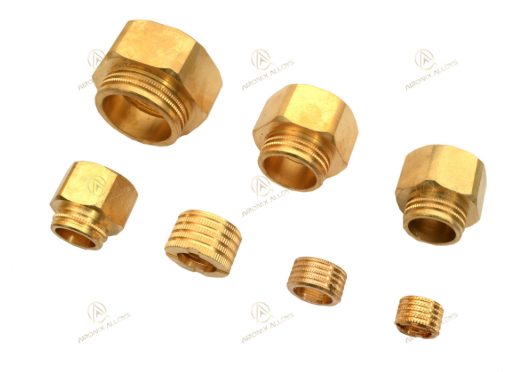
PVC Pipe Fittings are important components in compatible piping networks, helping connect pipe sections, change direction, create branches and complete a system. Selecting the correct fitting involves understanding the piping material, dimensions, service conditions and installation method.
This guide outlines common fitting types, applications and practical selection considerations. Always refer to the product datasheet, applicable standards and local plumbing requirements before specifying or installing a piping system.
PVC pipe fittings are components used to connect, branch, redirect or terminate PVC piping. The appropriate fitting depends on the pipe system, fluid, pressure, temperature and installation method.
Redirect pipe runs around corners.
Create a branch from a main line.
Connect two compatible pipe lengths.
Join pipe sizes that differ.
Transition between connection types.
Close pipe ends or unused outlets.
PVC fittings are used in a range of plumbing, drainage, irrigation and water-management systems. Pressure and non-pressure applications require different product specifications, so select fittings according to the intended service.
PVC systems may use solvent-cement joints, threaded connections or gasketed joints depending on the product design. Use compatible components and follow preparation, assembly and curing instructions.
Confirm pipe outside diameter and nominal size, pressure or drainage duty, connection style, fluid compatibility, temperature limits and relevant standards. Do not mix components unless compatibility is confirmed.
Check fittings for cracks, distortion, clean joining surfaces and correct markings. Ensure alignment and support, avoid excessive stress on joints, and test the system according to project requirements.
They connect and route PVC piping in suitable plumbing, drainage, irrigation and other systems.
No. Select fittings specifically rated for the intended pressure or non-pressure service.
Only when dimensions, joining method and compatibility are confirmed by the product specifications.
Choose fittings that match the pipe system, intended application, operating pressure and temperature, connection method and relevant standards. Do not assume that fittings made from different materials or by different manufacturers are interchangeable without confirming compatibility.
For project-specific requirements, prepare the fitting type, size, quantity, connection details and application before requesting a quotation.