PPR elbows
Change the direction of a pipeline, commonly at 45° or 90°.
Please Wait For Loading
Explore PPR fittings, their types, applications, joining methods and selection considerations for hot and cold water plumbing systems. Learn more with Aironix Alloys.
PPR Fittings are important components in compatible piping networks, helping connect pipe sections, change direction, create branches and complete a system. Selecting the correct fitting involves understanding the piping material, dimensions, service conditions and installation method.
This guide outlines common fitting types, applications and practical selection considerations. Always refer to the product datasheet, applicable standards and local plumbing requirements before specifying or installing a piping system.
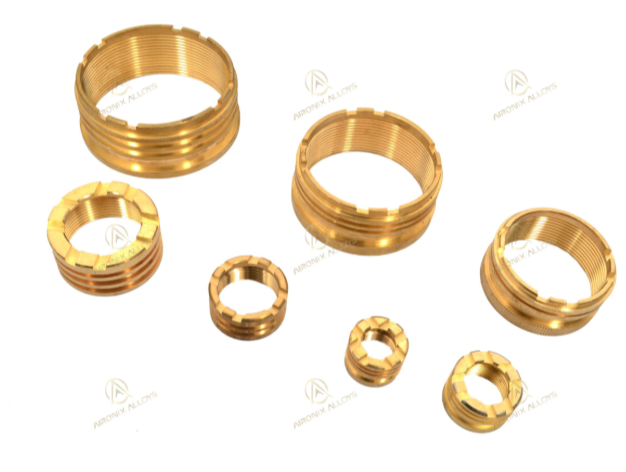
PPR fittings are components used to connect, redirect, branch or terminate PPR piping systems. They are commonly used in plumbing and water distribution installations where compatible pipe and fitting systems are specified.
Change the direction of a pipeline, commonly at 45° or 90°.
Create a branch connection from a main pipe run.
Join two compatible pipe ends in a straight line.
Connect pipes of different nominal sizes.
Support detachable connections or transitions to other connection types, where compatible.
Close or terminate a pipe section.
PPR piping systems may be used in residential, commercial and institutional water distribution, including hot- and cold-water plumbing, subject to the product’s rated pressure, temperature and applicable installation requirements.
Many PPR systems use socket fusion. Correct tooling, temperature, heating time, insertion depth, alignment and cooling time are important. Follow the pipe and fitting manufacturer’s installation instructions and applicable local codes.
Confirm nominal size, pressure class, operating temperature, connection type, compatibility with the pipe system, and the fitting geometry required by the layout. Use products suitable for the intended water and service conditions.
Check dimensions, material identification, surface condition, fitting compatibility and any required conformity documentation. Pressure testing should follow the project specification and local requirements.
PPR refers to polypropylene random copolymer, a thermoplastic used in piping systems.
Some PPR systems are designed for hot-water service. Confirm the product’s temperature and pressure ratings before use.
Many are joined by socket fusion using compatible equipment and the manufacturer’s procedure.
Choose fittings that match the pipe system, intended application, operating pressure and temperature, connection method and relevant standards. Do not assume that fittings made from different materials or by different manufacturers are interchangeable without confirming compatibility.
For project-specific requirements, prepare the fitting type, size, quantity, connection details and application before requesting a quotation.