
Hollow Brass Sections for Industrial Applications
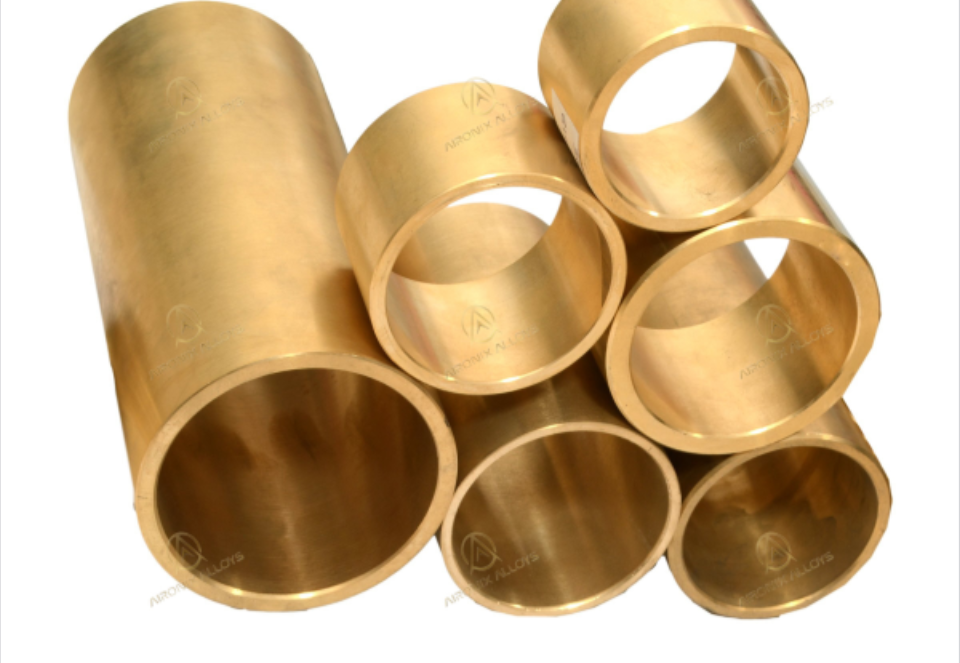
Hollow brass sections are shaped brass profiles with an open internal passage. They can be considered for components where a particular profile, wall design or internal opening is required. Aironix Alloys works with customers to discuss dimensions, material requirements and intended applications.
Hollow Brass Sections| Aironix Alloys : Hollow Brass Sections Manufacturer in India
Hollow brass sections are manufactured profiles that contain a hollow space within the outer shape. Their geometry can help a designer meet specific requirements for component layout, machining, assembly or material use. The suitable profile depends on the component design and the conditions in which it will be used.
Unlike a solid brass bar, a hollow section has an internal opening along its length. That difference makes dimensions such as the outside profile, internal opening and wall thickness important when specifying the material. These details should be confirmed against the component drawing or application before an order is finalised.
Key Details to Consider When Selecting a Section
Choosing a suitable hollow brass profile begins with the drawing and the functional requirements of the finished component. A clear specification helps the supplier understand the intended fit, machining requirements and material expectations.
Outer Profile and Shape
Identify the required external shape and the critical dimensions. A drawing or sample can help clarify profile details and tolerances.
Internal Opening
Specify the inside opening or internal profile where relevant. Its dimensions can affect assembly, machining and the function of the final part.
Wall Thickness
Wall thickness should be considered together with the outer and inner dimensions so the profile matches the component design.
Material Requirements
Choose a brass grade based on the application, machinability, mechanical needs and any applicable industry or customer specification.
Applications of Hollow Brass Sections
Hollow brass profiles may be used as starting material for a range of machined or assembled components. The exact application depends on the section geometry, alloy, manufacturing process and performance requirements. Possible areas of use include:
- Precision-machined components: profiles that are cut or machined to meet a component drawing.
- Industrial fittings and assemblies: parts where a defined internal passage or profile is required.
- Electrical and engineering hardware: applications where the specified brass grade and profile are suitable for the design.
- Custom production work: projects requiring agreed dimensions, lengths or other customer-defined features.
These are broad application categories, not a guarantee that every profile is suitable for every use. Confirm material compatibility, tolerances and performance requirements before selecting a section for a critical component.
Material and Grade Selection
Brass is available in different compositions, and each grade can offer a different balance of machinability, strength, corrosion behaviour and other properties. The appropriate choice depends on how the finished component will be made and used.
Share the specification before confirming the grade
When requesting a quotation, provide the required grade or standard if it is already defined. If the grade has not been selected, share the application and any relevant operating conditions so the options can be discussed with the technical team.
Where customer drawings or purchasing standards specify a material composition, that requirement should take priority. Avoid choosing a grade based on its name alone; verify that it meets the relevant specification and intended use.
From Drawing to Supply: A Clear Specification Process
Accurate product information helps reduce confusion during enquiry, quotation and production planning. For custom hollow brass sections, the following steps provide a practical starting point.
Clear communication at the enquiry stage helps establish what is required and which details need confirmation before manufacture or supply.
Quality Considerations for Hollow Brass Profiles
Quality requirements should be established around the dimensions and performance needs of the finished component. Depending on the specification, relevant checks may include external dimensions, internal opening, wall thickness, surface condition and material identification.
For repeat orders, retaining an approved drawing and agreed inspection criteria can help keep expectations consistent. Customers should identify any critical dimensions, documentation needs or special requirements at the quotation stage.
Read more about the company’s approach on the Quality & Process page.
Why Discuss Your Requirements with Aironix Alloys?
Every industrial component begins with a defined requirement. Aironix Alloys invites customers to share their product drawings, dimensions and material expectations so the enquiry can be reviewed with the intended application in mind.
- Discuss profile dimensions and application requirements.
- Share material-grade preferences or relevant standards.
- Clarify quantities, lengths and drawing revisions before order confirmation.
- Connect with the team to discuss related brass products and supply requirements.
To explore other product categories, visit the Aironix Alloys homepage or learn more about the company.
Enquire About Hollow Brass Sections
Have a drawing, sample or specific dimension in mind? Contact Aironix Alloys to discuss your hollow brass section requirements, material preferences and order details.